Avila Adobe
Pigment prints from DSLR captures on uncoated paper, 2026
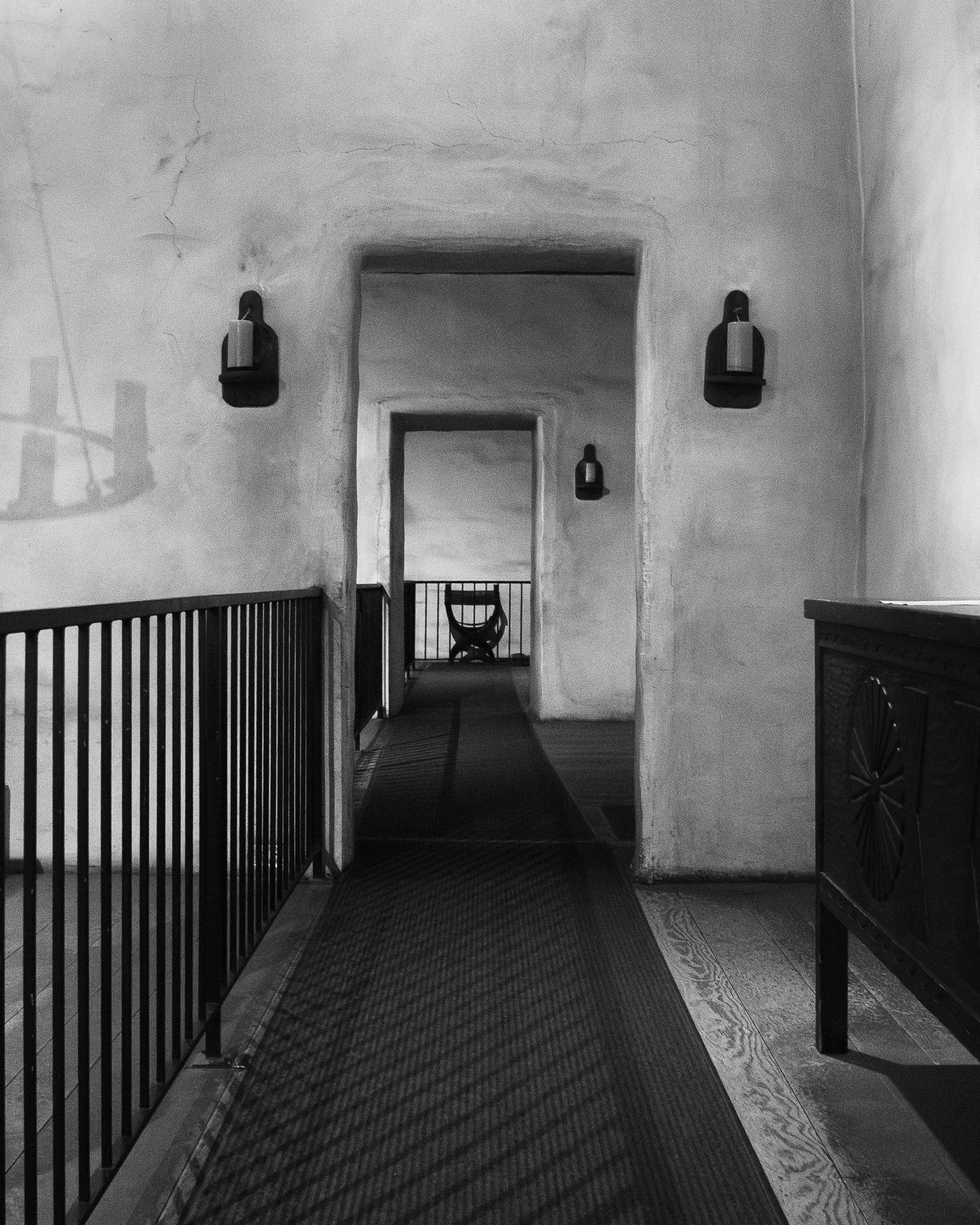
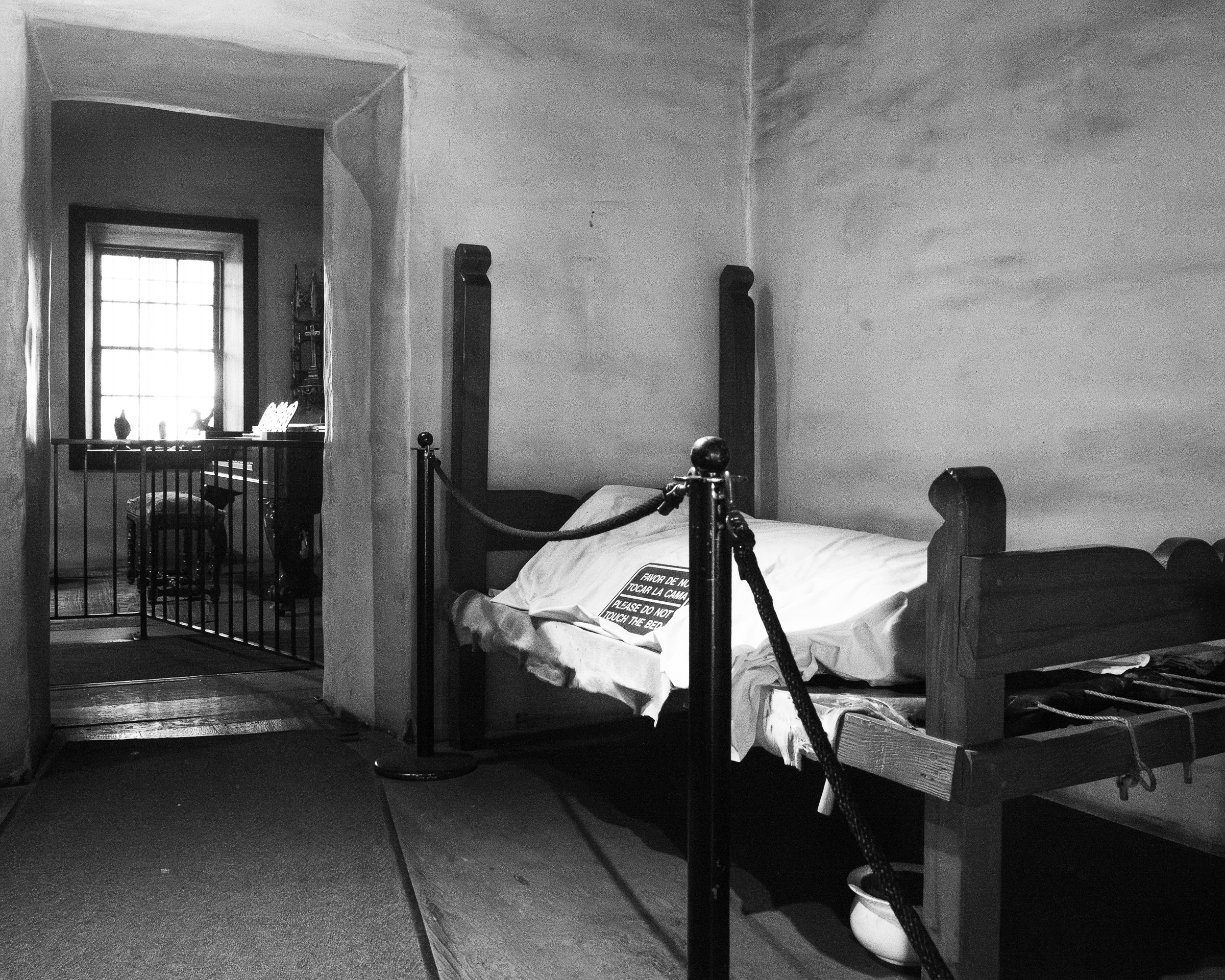
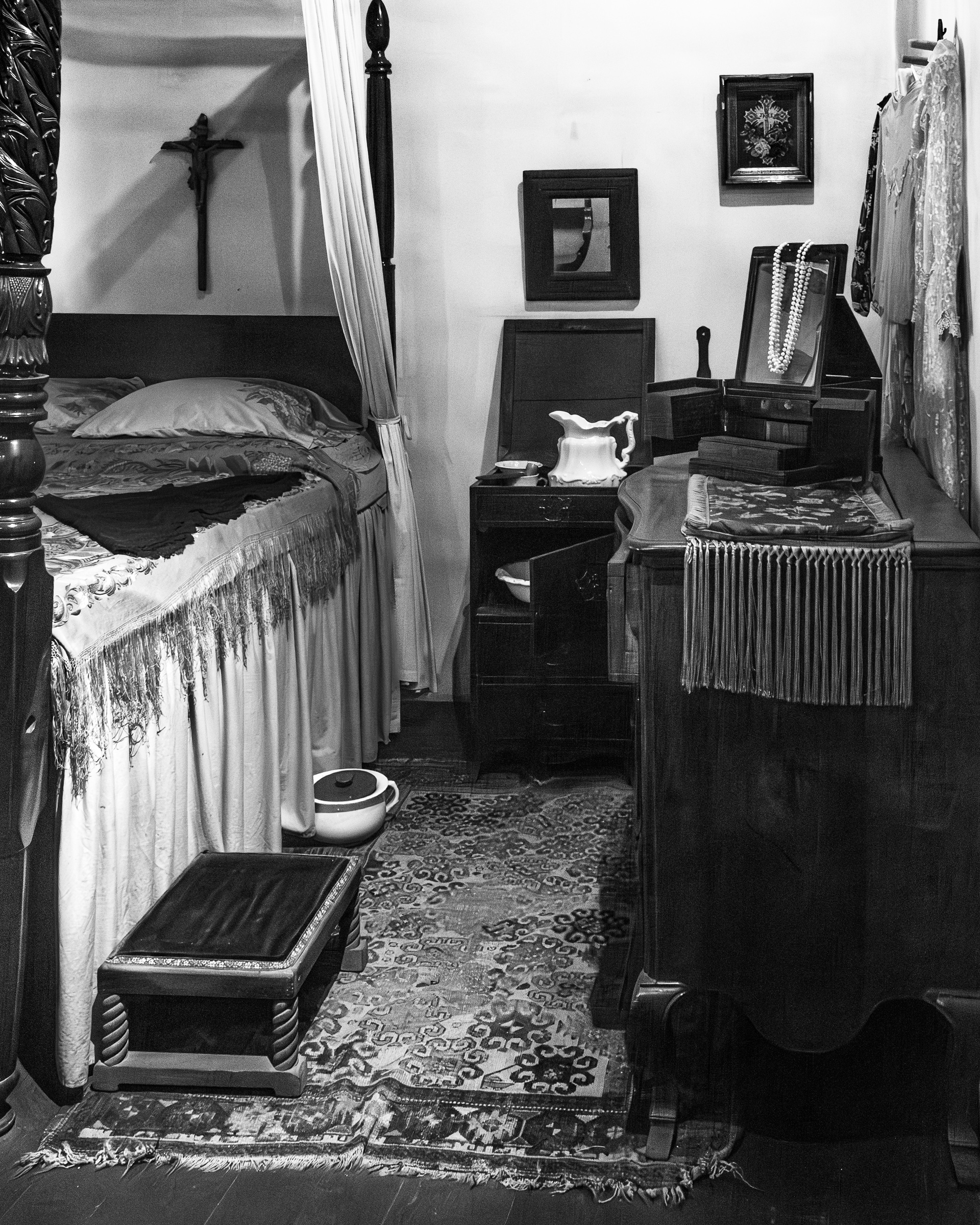
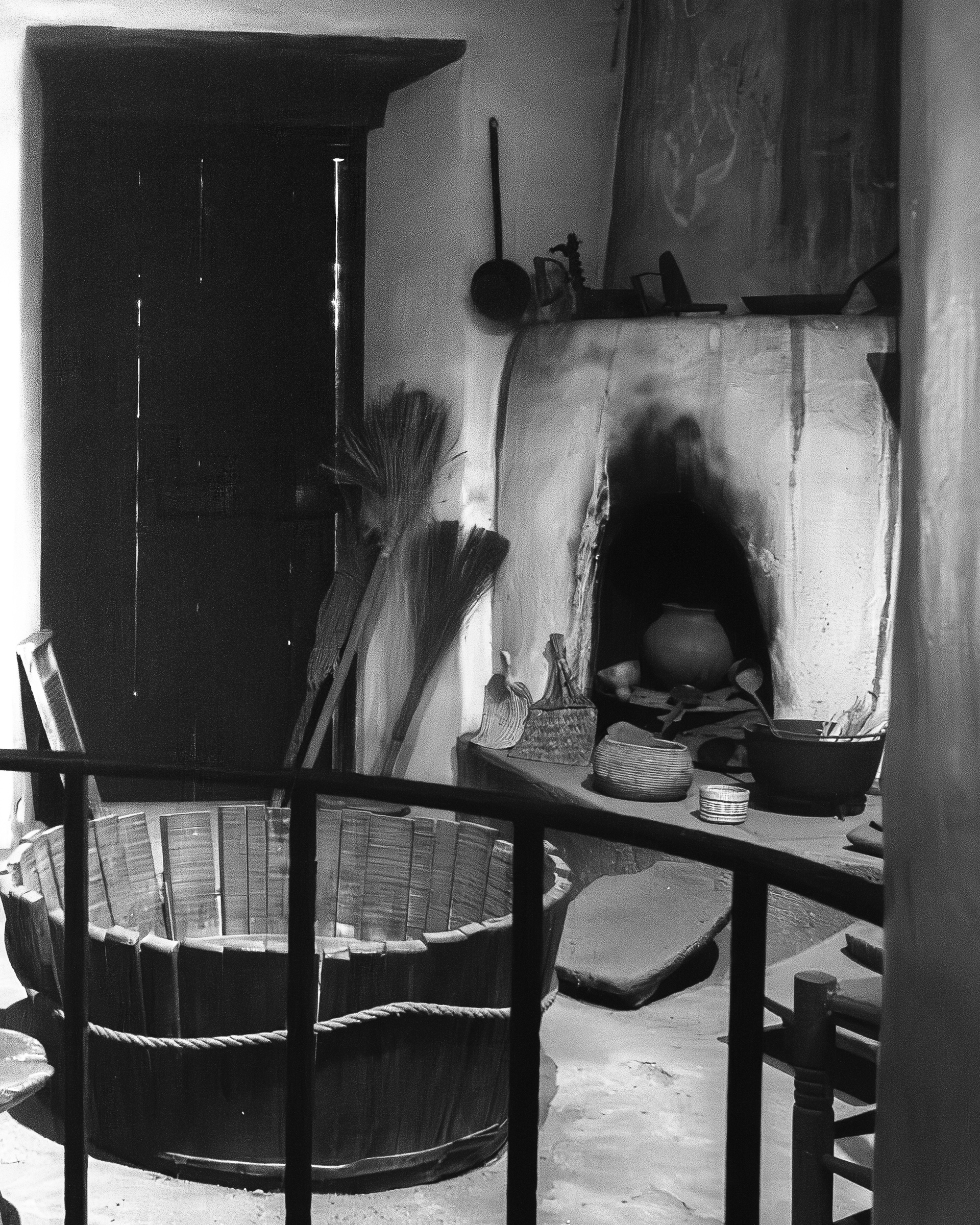
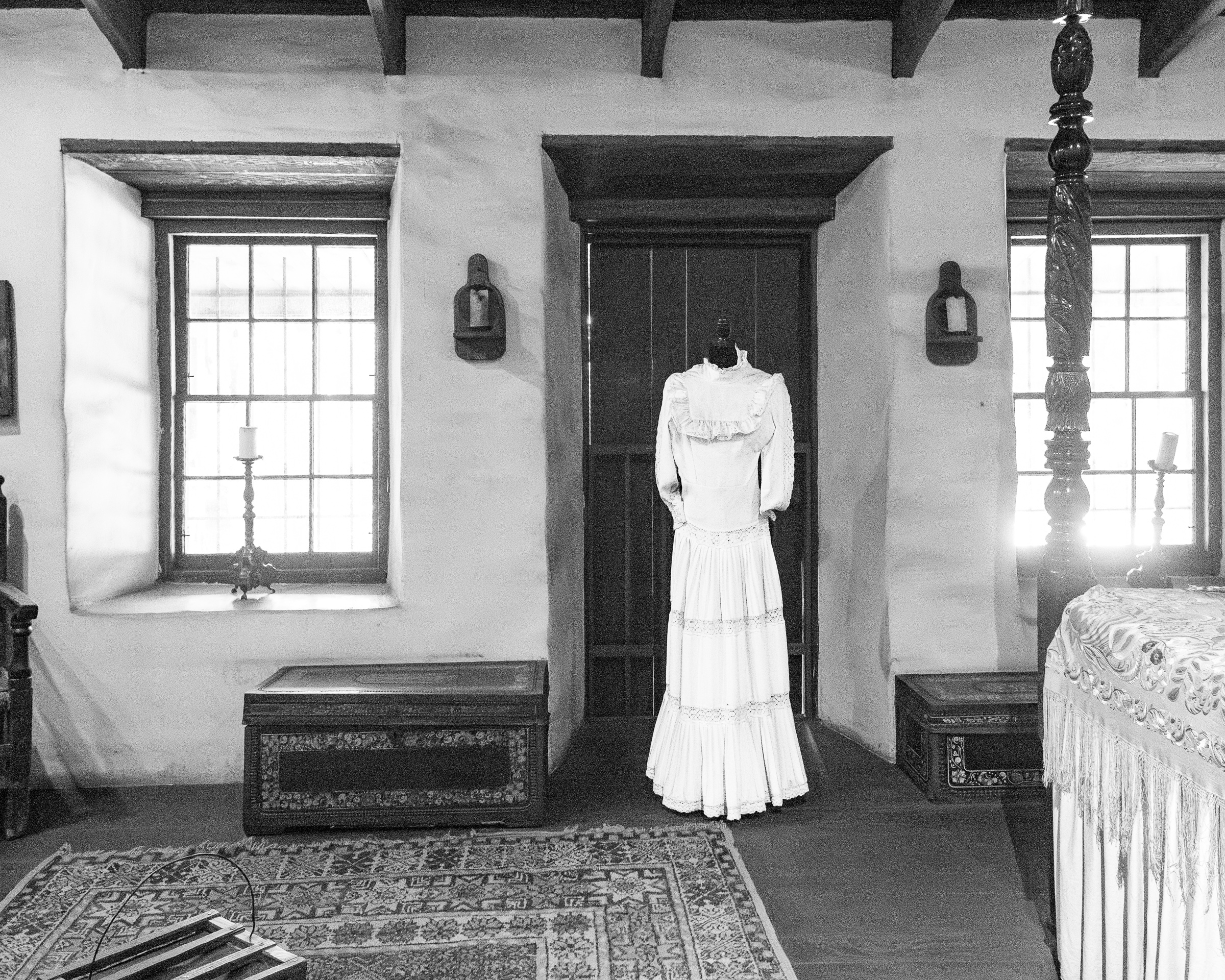
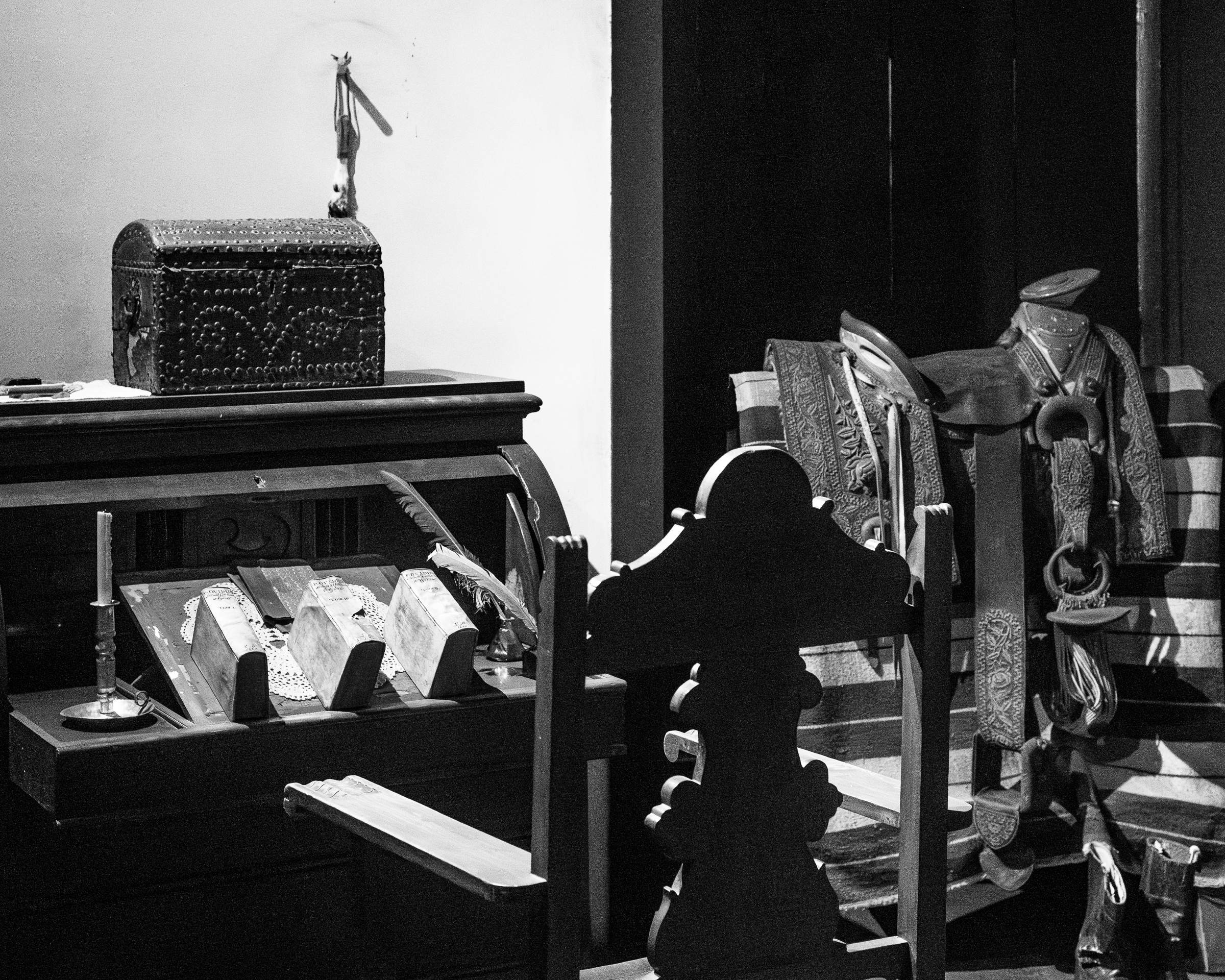
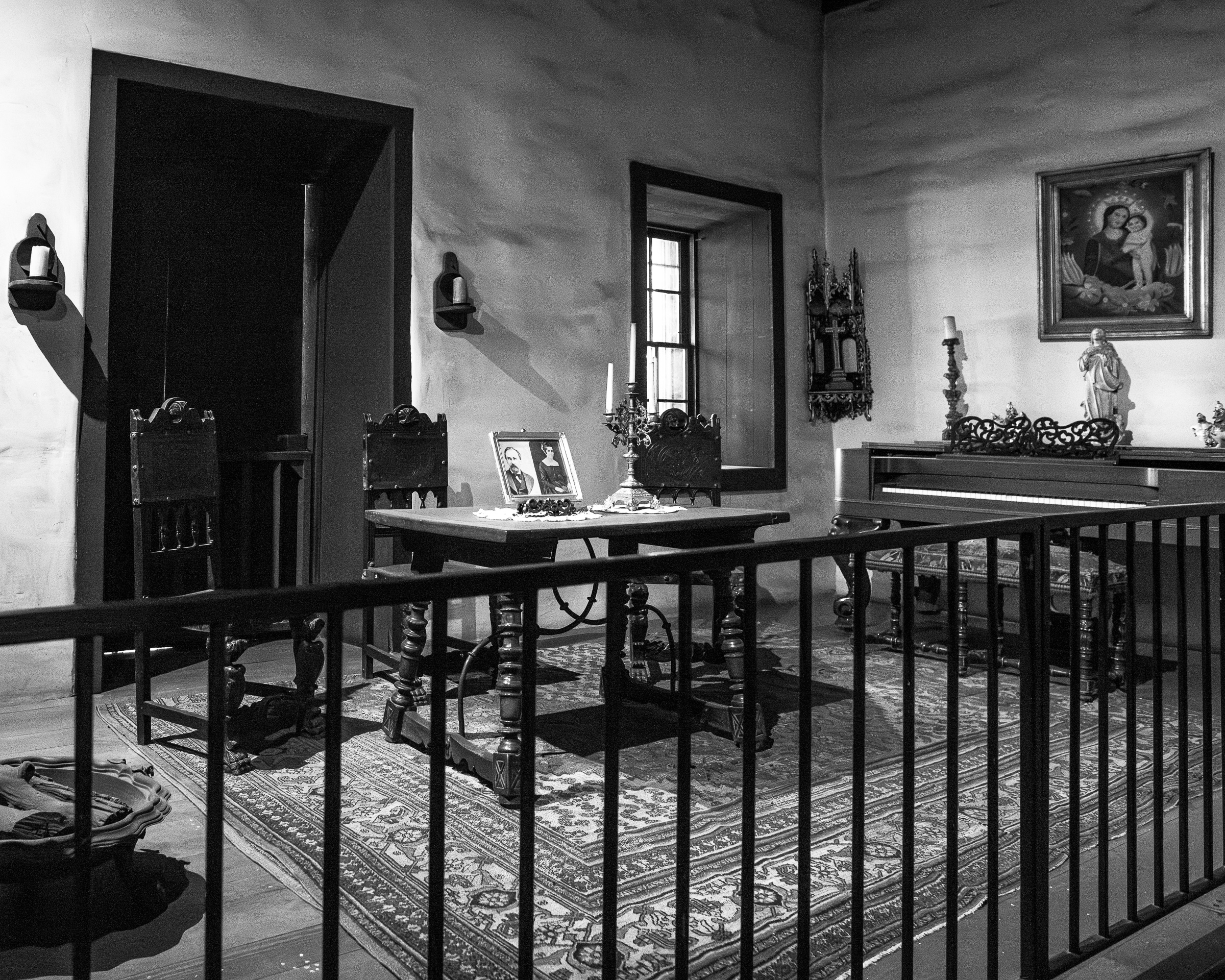
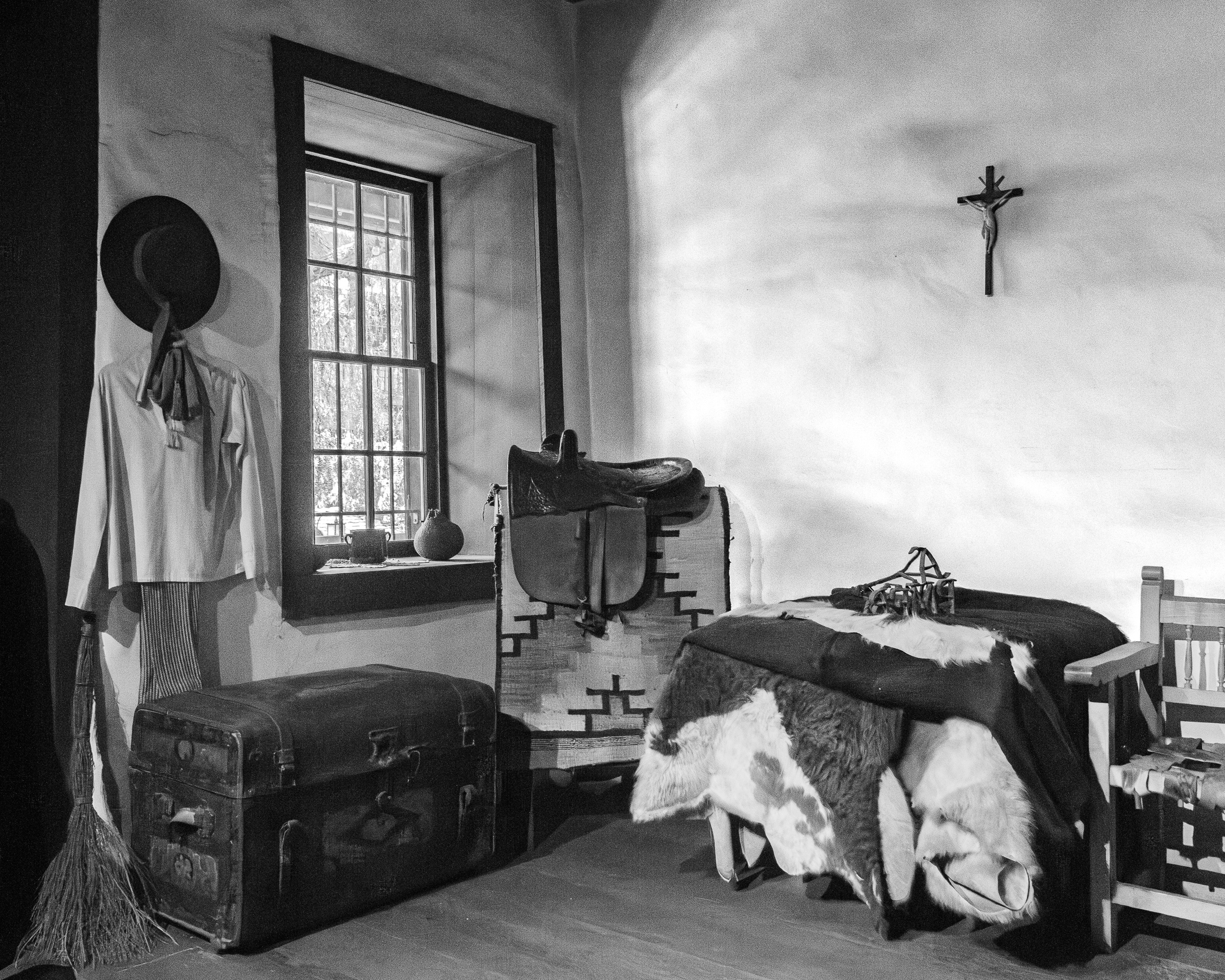
Built in 1818, the Avila Adobe is the oldest standing residence in Los Angeles. It is presented as the home of the Avila family, an influential Californio household whose adobe was once more elegant and materially ambitious than the house museum now suggests. What remains is a reduced fragment, arranged as a sequence of domestic tableaux that can be walked through in a few minutes before returning to the restaurants, gift shops, and choreographed pleasures of Olvera Street.
By the 1920s, the building had deteriorated and was scheduled for demolition along with the surrounding neighborhood until the intervention of Christine Sterling, a local booster who remade Olvera Street into a picturesque tourist destination devoted to an intelligible fantasy of old Alta California. Sterling described Los Angeles through the “Spanish-Mexican romance” of missions, palm trees, sunshine, and the “click of the castanets.” Her work at Olvera Street (and later at China City), had less to do with preserving ethnic enclaves than with producing them as entertainment, arranging architecture, vendors, costumes, and historical remnants into an image of consumable Mexicanness.
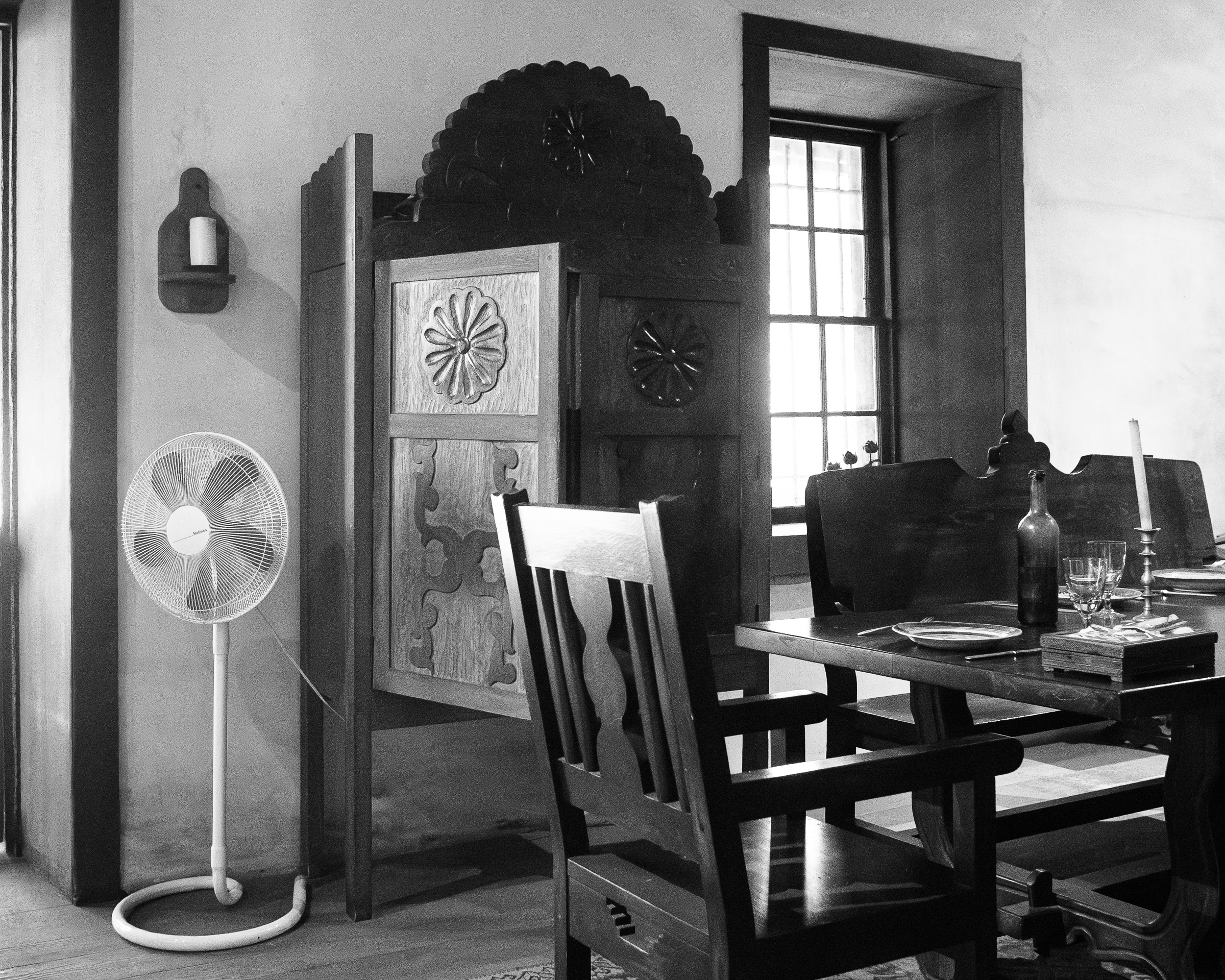
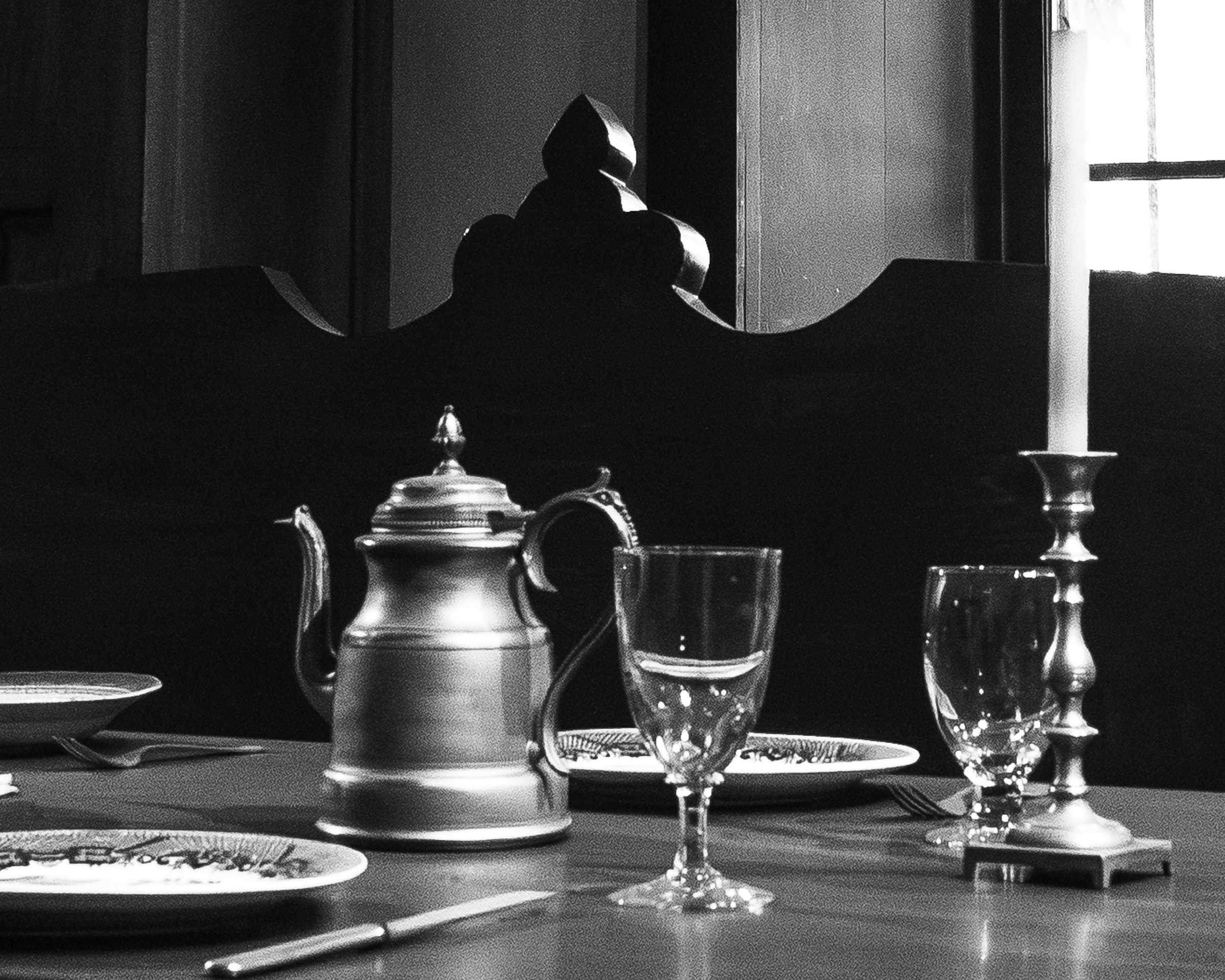
The Avila Adobe now sits between artifact and fiction. Almost none of the objects on display belonged to the Avila household, and the rooms present Californio life as intimate, rustic, and familial, a midcentury fantasy of nuclear domestic life closer to Little House on the Prairie than to the historical reality of a working estate on the margins of the Mexican Republic. Though the museum has since done work to become more historically grounded, it remains inextricable from Sterling’s racialized fantasy of Old Los Angeles and from a contemporary city in constant tension with its Mexican history and populace.
In photographing the house, I was interested in its instability not only as history, but as a site of desire. The Avila Adobe offers me a place to approach my own lost Mexican ancestry from within the comfort of my adopted home, even as I know that the site was arranged to satisfy that desire in advance. Walking through the rooms, I cannot help but feel that I am participating in Los Angeles as it rehearses a well-practiced history for itself and its visitors.
Perhaps the house’s most troubling transformation is that it no longer serves only the fantasies of the visiting tourist. It offers Mexican Americans a flattering image through which to recognize ourselves, built from familiar clichés of family, religion, labor, and domestic virtue while displacing the actual conflicts embedded in the site and its history. Though Olvera Street was not built for the pleasure of Mexicans, it now consoles us even as it patronizes us.