Window Screen
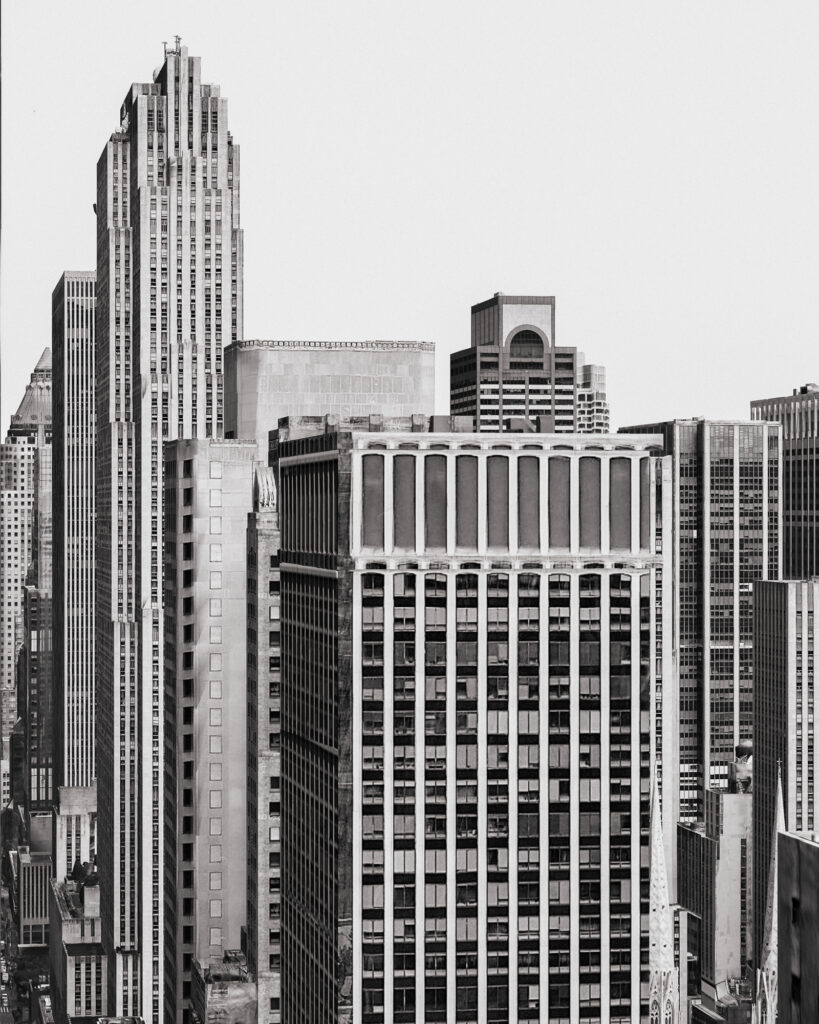
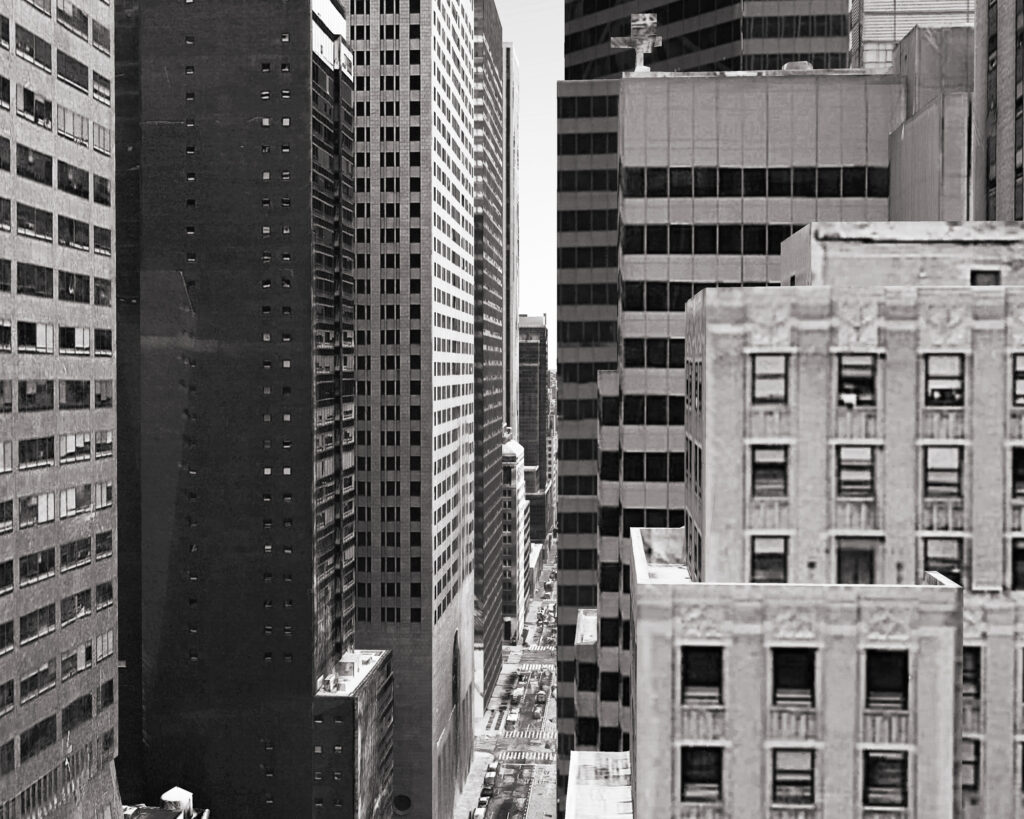
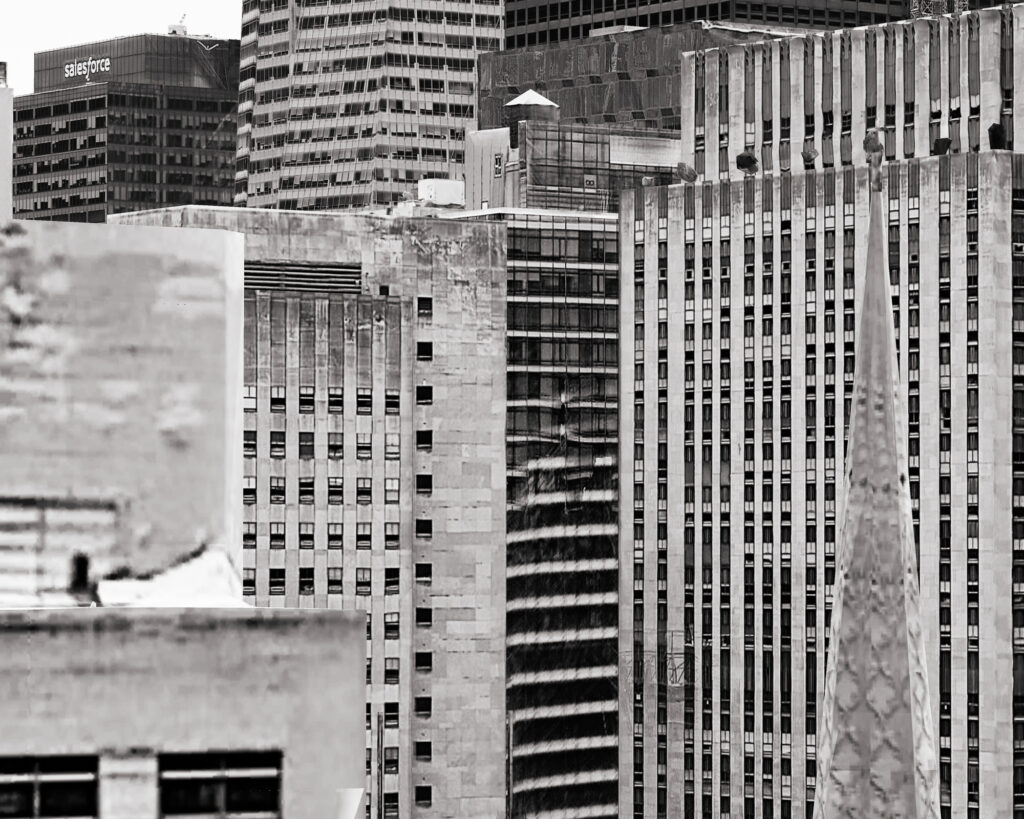
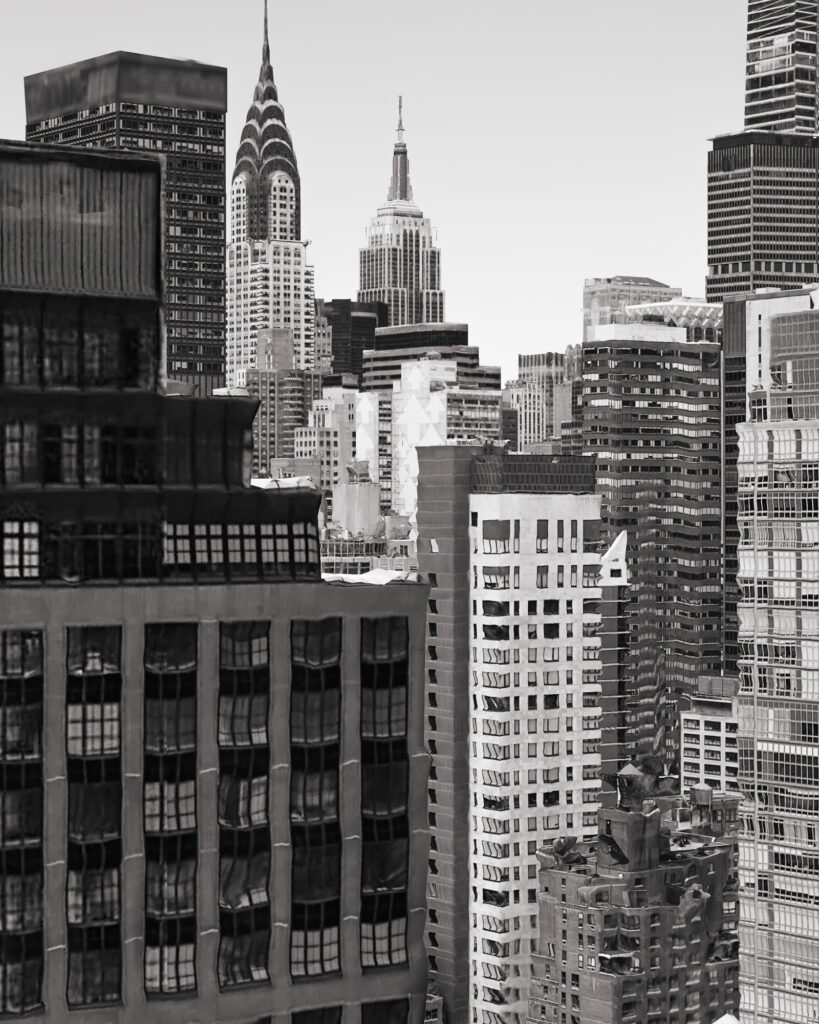
Pigment prints from Google Earth Studio captures on uncoated paper, 2026
Using Google Earth Studio, I attempted to locate and occupy the windows through which Alfred Stieglitz photographed New York, including the apartment he shared with Georgia O’Keeffe at the Shelton Hotel, An American Place, and the former site of the now-demolished Little Galleries of the Photo-Secession, otherwise known as 291. Through archival research, I triangulated the vantage points from which the photographs were made and reconstructed them through the virtual camera.
The project begins with the window as a frame for modernist vision. However much Stieglitz may have hated the New York rising around him, his windows gave him a city in a state of perpetual transformation, rendering itself into new arrangements with every new scaffold and beam. But though the skyscraper city of the twentieth century is generally remembered today as a symbol of modernist ambition, in the years surrounding the Great Depression, the soaring, empty skyscrapers became symbols of speculative recklessness, capitalist excess, and architectural hubris. The walls closing in around Stieglitz were not merely formal pressures, they were the visible forms of a city increasingly organized by finance.
In my images, the window is replaced by the screen and the urban landscape becomes a synthetic corporate image-space that allows impossible returns while denying actual contact. The attempt to recover Stieglitz’s views reveals a city transformed not only by time and demolition, but by the continuity of the very forces his photographs already registered.The growth that once generated his views eventually blocked them out with expanses of plate glass. Real estate and speculation have enclosed the city and abstracted urban life into a capitalist landscape of vacant luxury towers and proprietary image models, rendered by machine vision into airless geometry and broken textures.
The works do not attempt to recover Stieglitz’s New York. They return to his windows in order to find the corporate city still there, intensified and made uncanny by the screen. What survives is not the modernist city as Stieglitz saw it, but the structure of dread embedded in that vision: the sense that the city was being remade by powers too large, abstract, and indifferent to human life.
291 is gone, razed and built over, but some of the buildings Stieglitz photographed remain. There is a strange irony in the fact that the hallowed cradle of American modernism has disappeared, while a painted advertisement on the side of a building he photographed has survived for more than a century after its picture was taken. But for how much longer, no one can tell.